


The jaw and facial bones play a key role in appearance, chewing, breathing, and overall quality of life. When facial injuries or developmental jaw disorders disrupt this balance, advanced surgical treatments such as orthognathic jaw surgery and maxillofacial trauma repair become essential. These procedures help restore normal function while improving facial harmony and stability.
What Is Orthognathic Jaw Surgery?
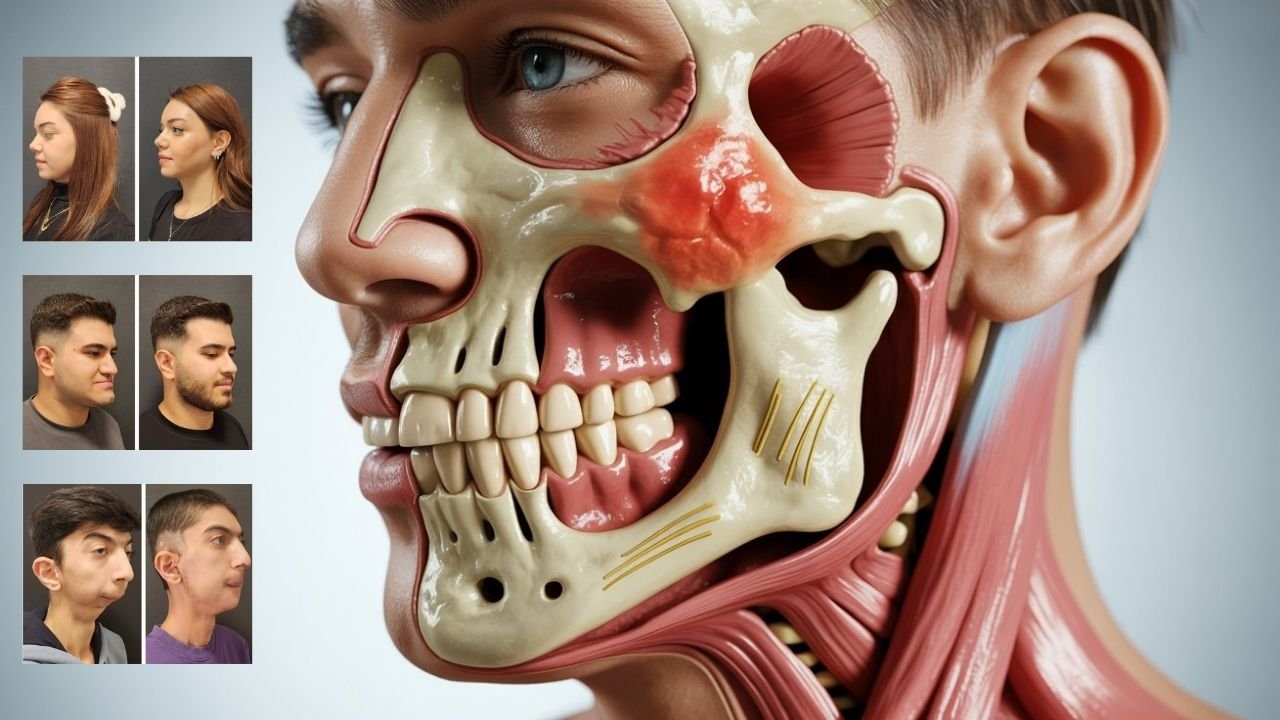
Orthognathic jaw surgery is a corrective procedure performed to realign the upper and lower jaws. It is recommended for patients whose bite and jaw position cannot be corrected with orthodontic treatment alone. The goal is to improve chewing function, speech, facial balance, and in many cases, breathing.
When Is Orthognathic Surgery Needed?
This surgery may be necessary when patients experience:
- Severe overbite, underbite, or crossbite
- Facial asymmetry
- Difficulty chewing or speaking
- Jaw pain or TMJ problems
- Sleep apnea linked to jaw position
Using advanced digital planning and 3D imaging, surgeons create a precise treatment approach tailored to each patient’s anatomy.
Benefits of Orthognathic Surgery
Corrective jaw surgery offers both functional and aesthetic improvements. Patients often experience better chewing efficiency, improved speech, reduced muscle strain, and a more balanced facial profile. By repositioning the jaws correctly, the treatment also helps protect teeth from long-term wear and misalignment.
The Role of Orthodontics
Orthognathic surgery is usually combined with orthodontic treatment. Braces or aligners help align the teeth before and after surgery so that the bite fits correctly once the jaws are repositioned.
Understanding Maxillofacial Traumas
Maxillofacial traumas refer to injuries affecting the face, mouth, teeth, and jawbones. These injuries are commonly caused by traffic accidents, sports injuries, falls, or violence. Because the face contains vital structures such as the eyes, airway, and jaw joints, maxillofacial trauma requires expert evaluation and treatment.
Common Types of Facial Trauma
Maxillofacial injuries may include:
- Fractures of the jaw or cheekbone
- Nasal fractures
- Orbital (eye socket) fractures
- Soft-tissue injuries and lacerations
- Dental trauma
Early treatment is essential to prevent long-term complications such as bite problems, chronic pain, facial deformity, or airway obstruction.
How Maxillofacial Trauma Is Treated
Treatment depends on the location and severity of the injury. In many cases, surgical stabilization of fractured bones is required. This may involve plates, screws, or fixation devices to hold the bones in proper alignment. Soft-tissue damage is also carefully repaired to restore both function and aesthetics.
Why Specialist Care Matters
The facial region contains delicate nerves, muscles, and bone structures. That’s why maxillofacial trauma should always be treated by trained oral and maxillofacial surgeons, who combine medical, surgical, and dental expertise.
The Connection Between Orthognathic Surgery and Trauma Repair
While orthognathic surgery is often planned and corrective, it may also be required after severe maxillofacial injuries. Trauma can cause jaw misalignment, bite disorders, or facial asymmetry — and corrective jaw surgery helps restore structural balance and function.
Restoring Function and Quality of Life
Both orthognathic surgery and trauma repair aim to:
- Improve chewing and speech
- Protect jaw joint health
- Restore facial symmetry
- Reduce pain and dysfunction
- Support airway and breathing
Physical recovery is often complemented with psychological support, as facial changes can deeply affect self-confidence and social wellbeing.
Recovery and Long-Term Follow-Up
Recovery time varies depending on the surgical procedure and the complexity of the case. Swelling, mild discomfort, and dietary restrictions are common in the early phase. Regular follow-up visits, imaging, and — where needed — orthodontic treatment ensure optimal long-term results.
A Multidisciplinary Approach
Best outcomes are achieved when surgeons, orthodontists, restorative dentists, and rehabilitation specialists work together. This holistic approach ensures that both functional and cosmetic needs are addressed.
Frequently Asked Questions About The Role of Orthognathic Jaw Surgery on Facial Injuries
Whether correcting jaw deformities through orthognathic jaw surgery or treating maxillofacial traumas, modern oral and maxillofacial surgery aims to restore health, comfort, and facial balance. With early diagnosis, expert surgical planning, and comprehensive patient care, individuals can return to daily life with improved function, appearance, and confidence.
Can orthognathic jaw surgery help after a facial injury?
Yes. Orthognathic jaw surgery is often used to correct jaw misalignment, bite problems, and facial imbalance that develop after fractures or trauma. By repositioning the upper and lower jaws, the surgery restores both function and facial harmony.
What kinds of facial injuries may require orthognathic surgery?
Severe facial trauma such as jaw fractures, cheekbone fractures, or injuries that cause bite distortion, chronic pain, or facial asymmetry may require corrective jaw surgery. It is especially useful when bones heal incorrectly or jaw function is permanently affected.
How does orthognathic surgery improve facial appearance after trauma?
Trauma can cause facial asymmetry, collapsed facial structure, or imbalance between the upper and lower jaw. Orthognathic surgery repositions the jawbones into their ideal alignment, helping restore natural proportions and symmetry while maintaining a functional bite.
Does orthognathic surgery help with breathing problems caused by facial injury?
In some cases, facial trauma can narrow the airway or alter jaw position. Corrective jaw surgery can widen the airway and improve airflow, helping relieve symptoms such as snoring or obstructive sleep apnea.
Is orthognathic surgery performed immediately after a facial injury?
Not always. Emergency trauma surgery focuses first on stabilizing fractures and protecting vital structures. Orthognathic surgery is usually planned later, once healing has occurred and long-term jaw alignment problems become clear.
Can orthognathic surgery reduce chronic pain after facial trauma?
Yes. Incorrectly healed jaw fractures can strain the TMJ and surrounding muscles, causing headaches, jaw pain, and chewing difficulty. Realigning the jaw can significantly reduce pressure and chronic discomfort.
Will I need orthodontic treatment before or after corrective jaw surgery?
In most cases, orthodontic treatment is required to align the teeth properly before and after surgery. This ensures that once the jaws are repositioned, the bite fits together correctly.
Is orthognathic jaw surgery safe for patients with previous facial surgery?
Yes, when performed by an experienced oral and maxillofacial surgeon. Prior trauma or surgery is evaluated carefully using imaging and digital planning to ensure precise and predictable results.
How long is recovery after orthognathic surgery for facial trauma?
Initial healing usually takes 2–4 weeks, while full bone healing may take several months. Most patients resume normal daily activities gradually, following surgeon guidance and scheduled follow-ups.
What are the main goals of orthognathic surgery after facial injury?
The primary goals are to restore bite function, protect jaw joint health, improve facial symmetry, relieve pain, and support natural breathing. This comprehensive approach helps patients regain both function and confidence after trauma.