

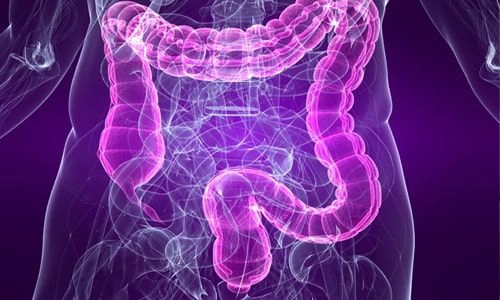
Colon cancer, commonly known as large bowel cancer, occurs when malignant cells begin to grow uncontrollably on the inner lining of the colon, one of the most important sections of the digestive system. It usually progresses slowly, but if left untreated, it can become fatal. In this article, we will explain everything you need to know about colon cancer in a clear and detailed way — including its symptoms, treatment options, survival rates, and ways to prevent it.
What Is Colon Cancer?
The colon is a part of the large intestine approximately 1.5 meters long and is responsible for absorbing water and forming stool in the digestive system. Also known as bowel cancer, colon cancer usually develops when small polyps that form on the inner lining of the colon gradually turn into cancer over time. These polyps typically grow over several years and, if not detected early, can become malignant.
Colon cancer is among the most common types of cancer in both men and women. Hundreds of thousands of new cases are diagnosed worldwide each year, and the risk increases especially in individuals over the age of 50. However, in recent years, due to poor dietary habits and sedentary lifestyles, it has also increasingly been seen in younger people.
What Causes Colon Cancer?
It is difficult to give a single answer to the question, “What causes bowel cancer?” because multiple factors play a role in the development of the disease. However, in general, when environmental, genetic, and lifestyle factors come together, the risk of colon cancer increases.
- Genetic Factors: Individuals with a family history of colon cancer are at higher risk. Hereditary conditions such as Lynch syndrome or FAP (Familial Adenomatous Polyposis) may trigger the development of colon cancer.
- Dietary Habits: Frequent consumption of red meat, processed meat (sausage, salami, hot dogs, etc.), and low-fiber foods invites colon cancer.
- Sedentary Lifestyle: Lack of physical activity slows the digestive system and may make colon cells more prone to cancer.
- Smoking and Alcohol Use: Tobacco and alcohol increase free radicals in the body, leading to cell damage and DNA mutations.
- Advanced Age: In people over 50, the risk of cancer increases because cell regeneration slows down.
- Obesity and Diabetes: High insulin levels can affect the growth of colon cells and pave the way for cancer.
In addition, stress, low water intake, chronic constipation, and certain bowel diseases are also considered risk factors for colon cancer.
What Are the Symptoms of Colon Cancer?
The question “How is bowel cancer recognized?” is among the most critical questions for early diagnosis. Because colon cancer often progresses silently and does not present symptoms in its early stages. However, after a while the body begins to send certain warning signs:
- Visible or hidden blood in the stool
- Frequent recurring diarrhea or constipation
- Difficulty during bowel movements or a feeling of incomplete emptying
- Weight loss and loss of appetite
- Unexplained fatigue and weakness
- Abdominal pain, gas, and bloating
- Anemia (iron-deficiency anemia)
Especially in individuals over the age of 40, even one of these symptoms should prompt immediate medical consultation — because early diagnosis in colon cancer saves lives.
Stages of Colon Cancer
The progression of colon cancer is generally defined by the “TNM classification.” This system describes how far the tumor has spread into the bowel wall, whether it has reached the lymph nodes, and whether it has metastasized to other organs.
- Stage 0: Cancer cells are limited only to the innermost layer of the colon.
- Stage I: The tumor has passed through the inner layers of the bowel wall but has not reached the lymph nodes.
- Stage II: The cancer has extended beyond the bowel wall but has not spread to the lymph nodes.
- Stage III: The cancer has spread to the lymph nodes.
- Stage IV: The cancer has metastasized to distant organs (usually the liver or lungs).
The earlier the stage is detected, the higher the success rate of treatment. Therefore, regular colonoscopy screening from age 50 onward is extremely important.
Treatment of Colon Cancer
Treatment of colon cancer varies depending on the stage of the disease, the patient’s overall health, and the location of the tumor. However, the primary treatment method is surgery. The cancerous section of the colon is removed along with surrounding lymph nodes. This procedure is often performed using laparoscopic or robotic surgical techniques.
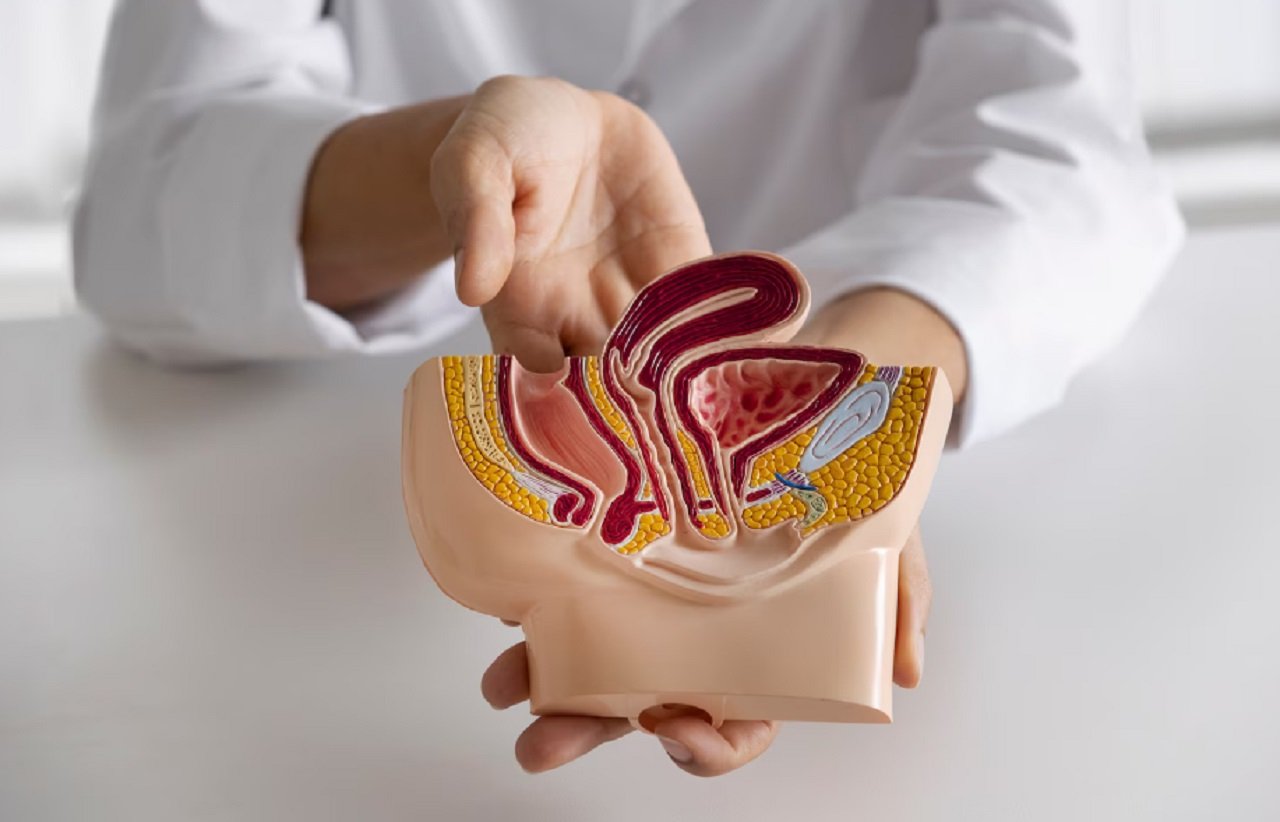
In some cases, chemotherapy or radiotherapy may also be applied before or after surgery. Radiotherapy is particularly used to shrink tumors located close to the rectum (the last part of the bowel) before surgery. In advanced-stage cases where the cancer has metastasized, procedures such as liver resection or additional treatments may be required.
Laser and Robotic Surgery
In recent years, colon cancer surgery has been performed more successfully and minimally invasively with the help of robotic surgery. This method shortens recovery time, reduces the risk of infection, and provides more satisfying cosmetic results. Advanced techniques performed by specialists such as Prof. Dr. Bahadır Ege significantly increase surgical success rates.
Does Colon Cancer Kill?
Unfortunately, the answer to the question “Does colon cancer kill?” is yes. However, this depends on the stage of the disease. A large proportion of colon cancer patients diagnosed early and treated appropriately can be completely cured. While the 5-year survival rate is around 80–90% in Stage I and II patients, it drops below 5% in Stage IV — meaning metastatic disease.
So yes, colon cancer can be fatal — but it can also be completely treatable when detected early. Therefore, one should never delay medical evaluation by assuming “bleeding from the rectum must be hemorrhoids.”
How Long Do Colon Cancer Patients Live?
Life expectancy in colon cancer varies depending on the stage at diagnosis. In cases diagnosed early, life expectancy is long and quality of life is high. However, in late-stage diagnoses, life expectancy may be shorter. On average:
- Stage I: 5-year survival rate 90%
- Stage II: 5-year survival rate 70%
- Stage III: 5-year survival rate 50%
- Stage IV: 5-year survival rate 5–10%
These rates may vary depending on age, genetics, treatment response, and overall health. The hopeful fact is that survival continues to improve each year thanks to medical advances.
How Can Colon Cancer Be Prevented?
Colon cancer is a completely preventable disease — as long as early diagnosis and regular screening are not neglected. Experts recommend that individuals over 50 undergo colonoscopy every five years. In addition, the following lifestyle habits help reduce risk:
- Eating a fiber-rich diet (vegetables, fruits, whole grains)
- Reducing red and processed meat intake
- Exercising regularly
- Avoiding smoking and alcohol
- Drinking plenty of water and preventing constipation
- Not neglecting regular health check-ups
Remember — simply adding greens to your plate daily and choosing homemade meals over fast food can significantly reduce colon cancer risk. Small lifestyle choices make a big difference over time.
The Relationship Between Colon Cancer and Genetics
Approximately 10% of colon cancer cases are hereditary. Individuals with a family history of bowel cancer, especially first-degree relatives such as parents or siblings, need to be more cautious. These individuals may undergo genetic testing to assess their risk. Screening should also begin earlier — often in the early 30s rather than at age 40–50.
Herbal Treatments and Colon Cancer
Herbal remedies or natural cures alone do not treat colon cancer. While some herbs may support immunity or reduce digestive discomfort, they do not eliminate cancer cells. Misleading claims such as “colon cancer can be cured naturally” cause patients to lose valuable treatment time. Scientifically proven treatments remain surgery, chemotherapy, and radiotherapy.
The most important point is that patients should place their hope not in unproven methods but in accurate, evidence-based treatment plans. Herbal supplements — if used at all — should only be taken under medical supervision.
Frequently Asked Questions About Colon Cancer
How long does it take for colon cancer to develop?
It usually takes 5 to 10 years for a polyp to turn into cancer. That is why regular screening is essential.
How is colon cancer diagnosed?
If symptoms such as bloody stool, weight loss, abdominal pain, constipation, or diarrhea are present, colonoscopy must be performed. Colonoscopy is the most definitive diagnostic method.
What is life like after colon cancer surgery?
Recovery after surgery generally takes 2–4 weeks. In appropriate cases, surgery can be performed without the need for a colostomy bag. Over time, most patients return to normal daily life.
Does colon cancer kill?
Yes — if untreated, it is fatal. However, most patients diagnosed early can be completely cured.
How long do colon cancer patients live?
Depending on the stage, early-stage patients can live 10 years or longer in good health.
Conclusion: Don’t Fear Colon Cancer — Fear Being Late
Colon cancer is completely treatable when detected early. Therefore, do not ignore symptoms such as rectal bleeding, abdominal pain, or sudden weight loss. Adopt a healthy lifestyle, increase fiber intake, and undergo regular colonoscopy screening. Early diagnosis saves lives.