


What Is Orthognathic Surgery? How Orthognathic Surgery Improves Oral and Facial Balance?
The face and jaws play a vital role in both appearance and function. When severe trauma, jaw misalignment, or congenital deformities affect the facial structure, patients may require advanced treatments such as orthognathic surgery or comprehensive maxillofacial trauma care. These treatments improve not only aesthetics but also breathing, chewing, speech, and overall quality of life.
What Is Orthognathic Surgery?
Orthognathic surgery is a corrective jaw surgery performed to reposition the upper jaw, lower jaw, or both. The goal is to correct skeletal and dental irregularities that cannot be resolved with orthodontics alone. This treatment is often recommended for individuals experiencing bite problems, chronic jaw pain, facial asymmetry, speech difficulty, or breathing disorders such as sleep apnea.
How Orthognathic Surgery Improves Oral and Facial Balance
This surgical treatment realigns the jaws so that the teeth meet correctly and the facial profile becomes more balanced. Advanced imaging, digital planning, and collaboration between oral surgeons and orthodontists ensure precise results. Many patients experience improved confidence, better chewing function, and relief from long-term discomfort following surgery.
Who Benefits From Orthognathic Surgery?
Orthognathic surgery may be recommended for patients with severe overbite, underbite, open bite, facial asymmetry, congenital deformities, or jaw growth abnormalities. It may also be performed after trauma when structural alignment has been altered.
The Role of Orthodontics in Jaw Correction
Orthodontic treatment is often required before and after surgery to ensure proper alignment of the teeth. This combined approach allows the jaw and bite to meet in their ideal functional position.
Understanding Maxillofacial Traumas
Maxillofacial traumas include injuries to the jaw, facial bones, cheekbones, nasal bones, or surrounding tissues. These injuries are commonly caused by traffic accidents, sports injuries, falls, violence, or workplace accidents. Depending on the severity, trauma can impact breathing, vision, dental health, and facial function.
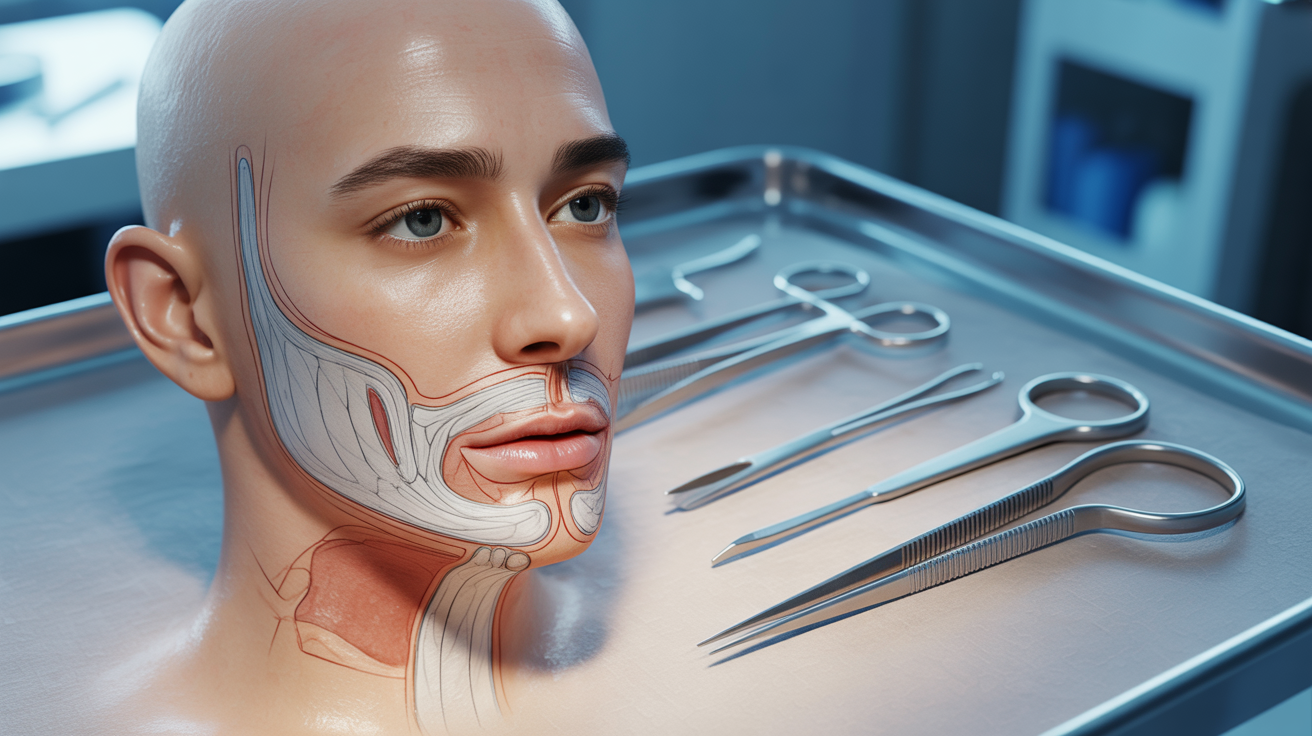
Types of Maxillofacial Trauma
Facial trauma may include fractures of the jaw, cheekbone (zygomatic fractures), orbital fractures, nasal fractures, soft tissue injuries, and dental trauma. Immediate assessment and treatment are critical to prevent complications and restore facial integrity.
How Maxillofacial Trauma Is Treated
Treatment of facial trauma often involves surgical stabilization of fractures, soft tissue repair, and dental rehabilitation. Restoring both function and aesthetics is essential, as the face plays a key role in identity and communication. Pain control, airway protection, and infection prevention are priorities in the acute treatment stage.
The Importance of Early Intervention
Delays in treatment can lead to complications such as chronic pain, bite misalignment, nerve damage, scarring, and long-term deformity. This is why maxillofacial trauma should only be treated by experienced specialists using precise surgical techniques and rehabilitation planning.
The Connection Between Orthognathic Surgery and Trauma Care
While orthognathic surgery is planned and corrective in nature, it may also play a role in trauma recovery. When trauma disrupts jaw alignment or facial symmetry, corrective jawline surgery can help restore structural balance. Rehabilitation often requires collaboration between trauma surgeons, orthodontists, implant specialists, and physiotherapists.
Restoring Quality of Life
Both orthognathic surgery and maxillofacial trauma treatment aim to restore normal function — including chewing, speech, airway health, and facial harmony. For many patients, treatment also has a powerful psychological impact, improving self-esteem and emotional well-being.

Recovery and Long-Term Care
Recovery time varies based on injury severity or surgical complexity. Patients are closely monitored to ensure proper healing, stability, and function. Follow-up care may include orthodontics, physiotherapy, dental restoration, or scar management depending on the case.
Why Specialist Care Matters
Because the facial region is anatomically complex, treatment should only be performed by experienced oral and maxillofacial surgeons. Their expertise ensures both functionality and aesthetics are preserved or restored with precision.
Whether treating facial injuries or correcting jaw irregularities, procedures such as orthognathic surgery and maxillofacial trauma management play a critical role in restoring facial structure, health, and confidence. With proper diagnosis, planning, and expert surgical care, patients can achieve long-term functional improvement and a natural, balanced facial appearance.